
Student loan debt is always the same, whether you make the choice to attend online college or reside at an educational institution. The U.S. has created a new generation of people that have more student loan debt than at any other time in our history. According to the U.S. Federal Reserve, we are in a whopping $1.3 trillion debt from student loans.
1. Income vs. Debt Ratio
In many countries such as Sweden, most students have an average college debt of $20,000. In Sweden specifically, 70% of college students borrow for their tuition expenses. All borrowers do not accrue interest or have to even pay back their loans until they are able to find a job that pays them a minimum of $40,000. If they do not achieve this salary status, they only pay 4% of their income until the student loan debt is paid entirely.
2. Payment Withholding
In Australia, the student loan debt system is set up much like a 401K system. Upon graduation, every student who has a student loan debt automatically has a certain amount taken from their check that is paid toward their loans. If their earnings fluctuate, the system is set up to automatically adjust their payment. It even reverts to a zero payment if they lose their job until they begin earning again.
3. Stop the Subsidies

Politicians, in their infinite wisdom, think they can manipulate economics in a vacuum without creating a cascade effect. In a sincere effort to give more students access to education, big government is subsidizing student loans and tuition. This has the same economic effect within the education realm as printing money – namely, runaway inflation.
Over the last decade we’ve seen a roughly 5% inflation rate in education cost. This is 1.6 times the growth in GDP and double the growth of wages. Put another way, at current rates the cost of education will double every 14 years, and it will take 30 years to make that up in purchasing power.
As a result of these subsidies, the poorest Americans are being completely priced out of education (the opposite of the intended effect) – and those students who choose to remain in the education system become mired in more debt than they can ever repay. The other solutions on this list are good workarounds for now, but sooner or later we need to do something to control the cost of education.
4. College Choice
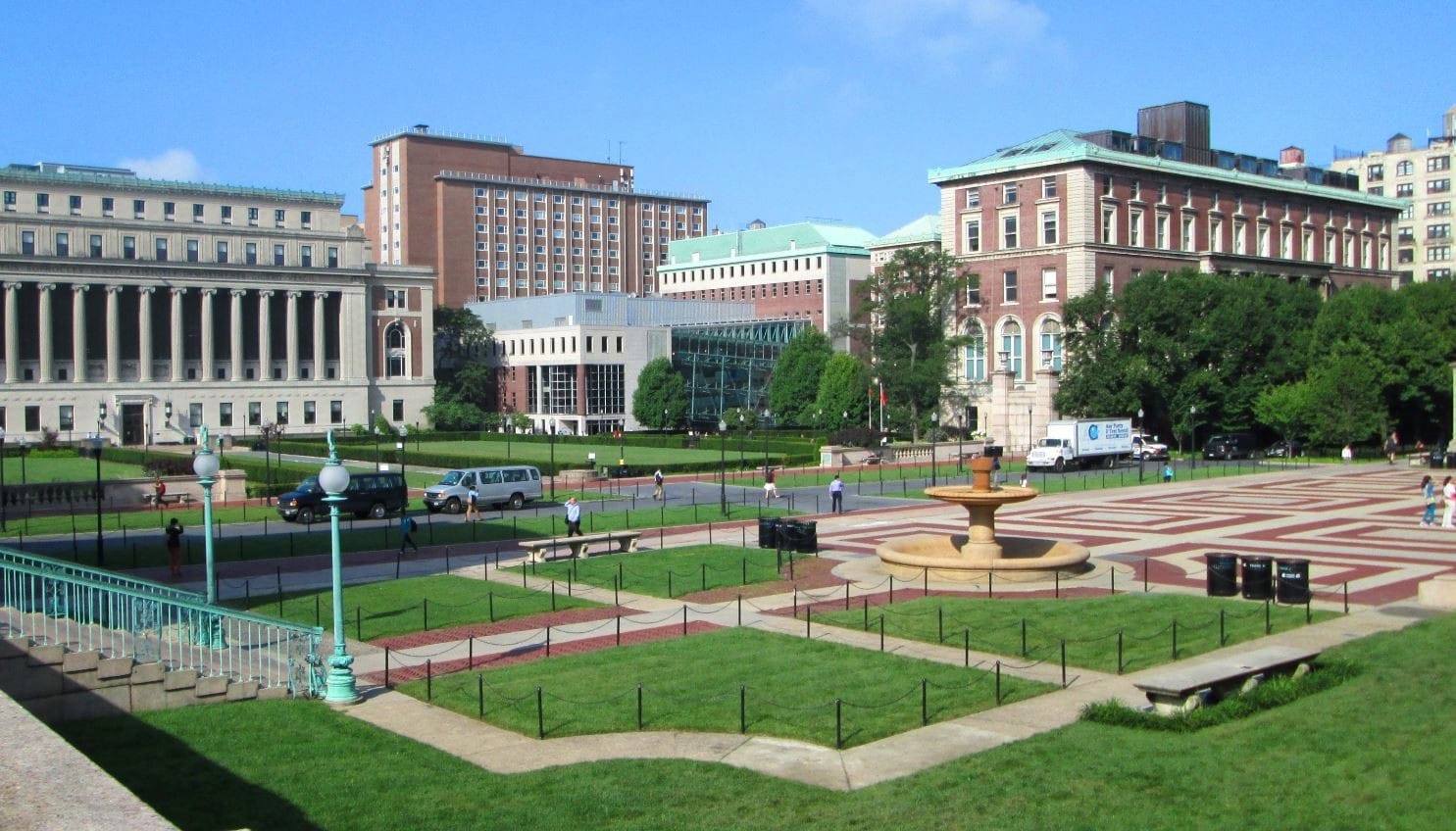
Despite what Ivy League schools would have you believe, there is very little evidence that prestigious schools guarantee higher earnings or even better job placement. Employers care whether or not you can perform your job competently, and where you went to school is a poor indicator of that. After trade schools, in-state public colleges will often get you the best bang for your tuition buck. Next best are out-of-state schools or traditional private schools, and worst of all proprietary colleges like the Art Institutes or University of Phoenix.
5. Educate the Debtor
One of the ironies of modern education is that we are not smart about the way we pursue it. Students are told to “follow their dreams” and borrow as much as it takes. This is bad advice. Students should select a path of study that has low unemployment rates and high earnings. Frequently this means a trade certificate rather than a traditional 4-year degree, as many trade jobs are experiencing massive labor shortages, which are driving up wages.
Alternatively, online colleges are gaining popularity for their highly customizable experience that can be fitted to an individual's unique circumstances, frequently at a fraction of the cost. These jobs have markedly high rates of satisfaction, and will give students the income necessary to bust through their student loans.
Top-down solutions to this problem are unlikely to work, and highly likely to make the situation worse. The basic lack of economic understanding or moral hazard on the part of government central planners renders their solutions ineffectual, costly, and counterproductive. The best solution to the problem we face involves students and their parents making better decisions about how to educate themselves and how to pay for that education.
Photo Credit: ShutterstockProfessional / shutterstock.com