
Hear more of this story at 6 p.m. Wednesday on "The Extra Point" on Mightier 1090am.
When Filipino American MaryRose Peralta was demoted from her position at Chula Vista High School in June this year, the Filipino American community rallied and demanded answers from the superintendent. But, the community only received one answer: It was a routine administrative matter, the district told KFMB 8.
Marjon L. Saulon, a San Diego resident who is active in the Filipino American community, said the outcome would have been different if there were an elected Filipino American involved.
“We felt like we didn’t get a fair hearing,” said the University of San Diego graduate student. “If we had more representation in office, the lines of communication would be clearer. Now, we’re speaking up and encouraging more Filipino representation.”
Saulon hopes to see more representation after the November election. A handful of Filipino Americans are running for office, including Noli Zosa, who is running for the District 7 council seat in the city of San Diego, Ditas Yamane, who is running for National City Council, and Todd Gloria, who is running for mayor in the city of San Diego.
“I hope November will send a signal to the community, particularly to our youth, that we are capable of having qualified candidates,” Saulon said. “I think November will show the progress we have made as Filipino Americans.”
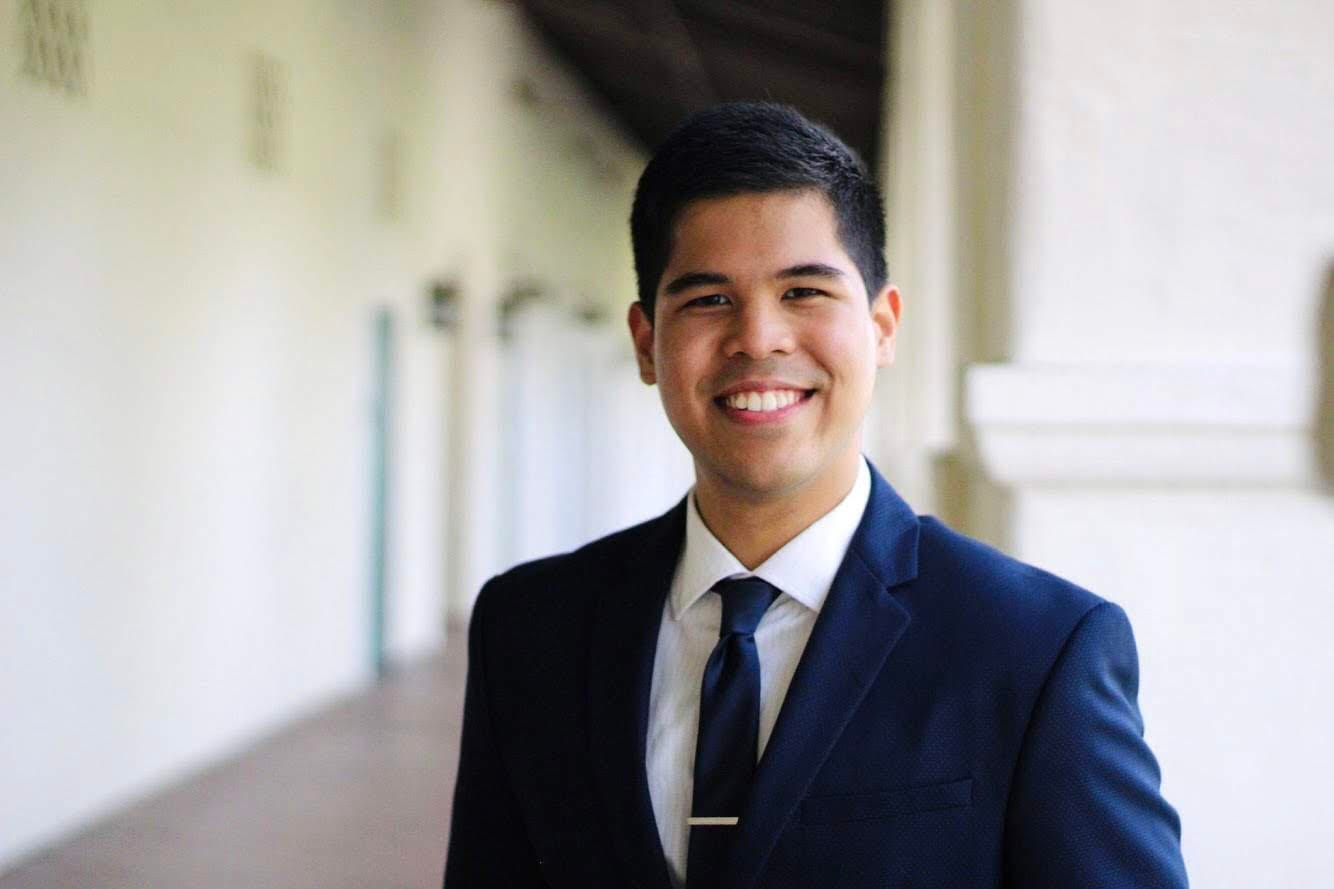
The latest U.S. Census figures show roughly 200,000 Filipino Americans live in San Diego County. As of September, more than 45,000 registered voters requested their ballots to be in Filipino.
Ramesses Surban, an attorney and a member of the Filipino American Lawyers of San Diego, is working to educate Filipino American voters. He said it’s necessary to “demonstrate the political strength of our community.”
“Doing so results in policymakers who are responsive, transparent and accountable to the community, thus resulting in better policy outcomes,” Surban said.
There are a handful of concerns and issues currently facing Filipino Americans but Surban said the “most obvious” is the lack of representation in government.
“Filipino Americans have clearly demonstrated the ability to lead when given the opportunity, especially during the COVID-19 pandemic as essential workers and at all levels of government, whether in elective office or elsewhere,” he said. “Filipino American representation in government allows our community to demand transparency and action on issues.”
If there were more Filipino Americans in office, COVID-19-related data might be different, Surban said.
“One current concern is the collection of accurate data on the impact COVID-19 has had on the Filipino American community, as contractors of the virus, and the number of Filipino American medical professionals fighting on the frontline,” he said. “Without representation, decision-makers have proven time and again in recent, local events to be unaccountable and unresponsive.”
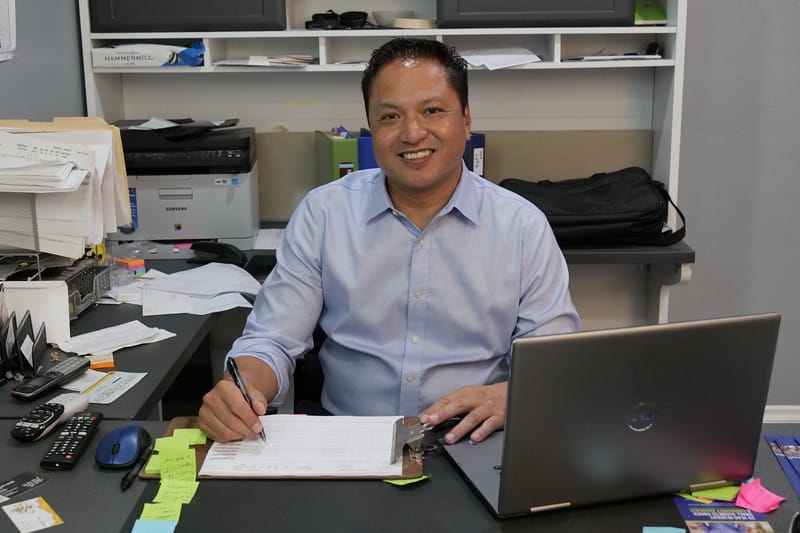
Zosa hopes to be that voice for, not just the Filipino American community, but for all San Diegans. Zosa is from the Linda Vista neighborhood, home to a large immigrant population and the Bayside Community Center, where immigrants often find assistance.
The work he’s done at the community level, including at the Bayside Community Center, has prompted him to run for elected office.
“Bayside is where I got the most perspective of the immigrant community and the working class,” Zosa said. “The working-class, immigrant population is underserved and I hope to bring basic services to the community.”
If he wins the District 7 seat, the election might be more so poignant because the district is 70% white, Zosa said.
“If I am elected in a predominantly Caucasian district, that will show how far (the Filipino American community has) come,” Zosa said. “I will be the first full-blooded Filipino American on the City Council. I hope that will be a unifying symbol for all people of all different backgrounds.”
This story was republished with permission from Times of San Diego.