
SAN DIEGO, Calif. - You may already know that California voter turnout set a recent record for a non-presidential (or midterm) general election, with two thirds of registered California voters casting ballots in 2018.
But when you drill down into the absolute numbers in some of these races, you get a better picture of just how unusual an election year 2018 was, and why some of these seats flipped from Republicans to Democrats in a veritable blue wave driven by high turnout.
Take the seat held by U.S. Rep. Steve Knight in California's 25th Congressional district:
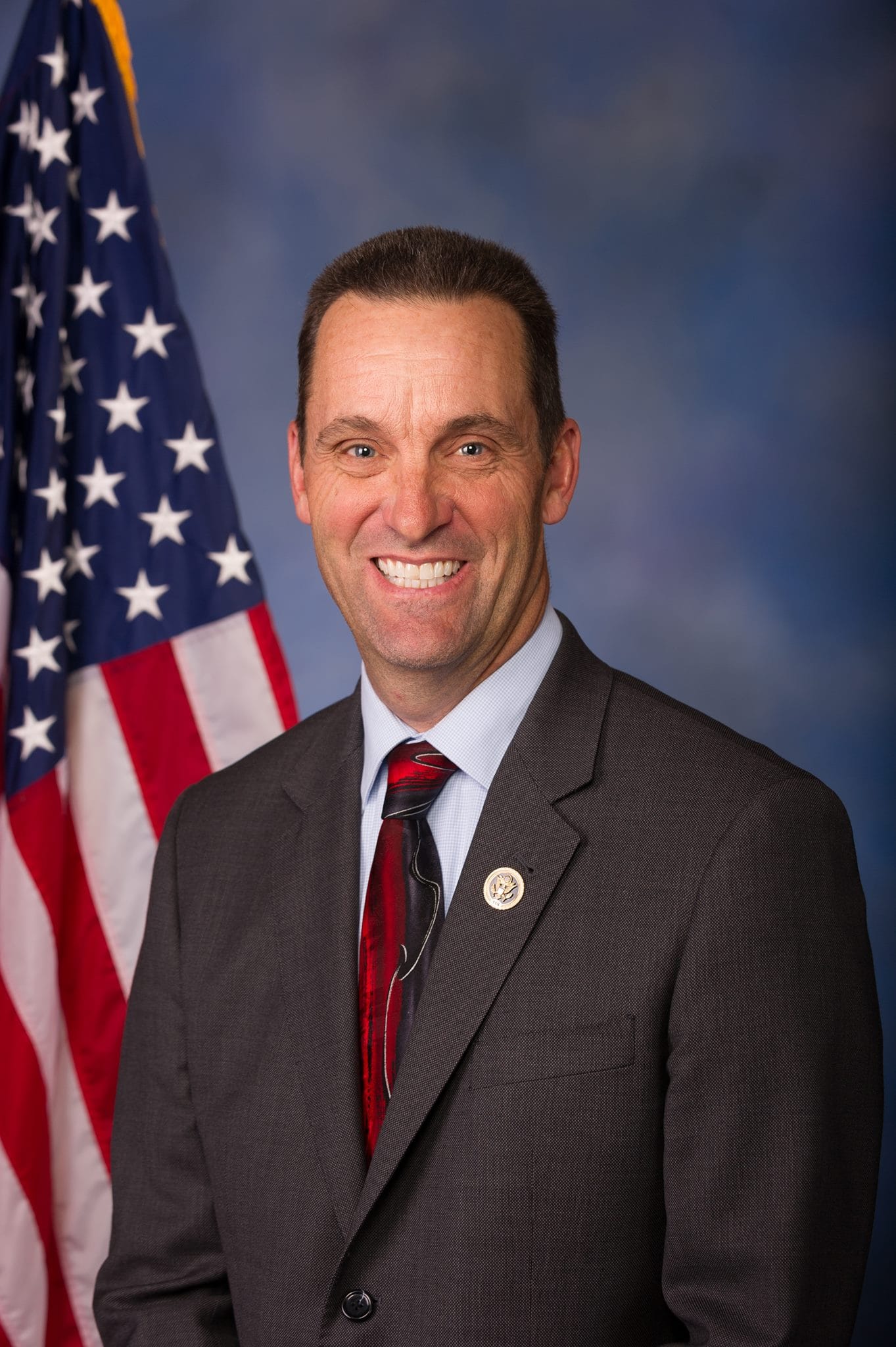
In 2014 Knight received 60,847 votes to his opponent's 53,225.
In 2108 Knight received 99,893 votes to his opponent's 113,613.
That’s an 87% increase in total votes cast for the congressional seat from one non-presidential election year to the next! Democrats increased their vote total by 60,388 votes.
In the California Congressional District 10 seat held by U.S. Rep. Jeff Denham, something similar happened:
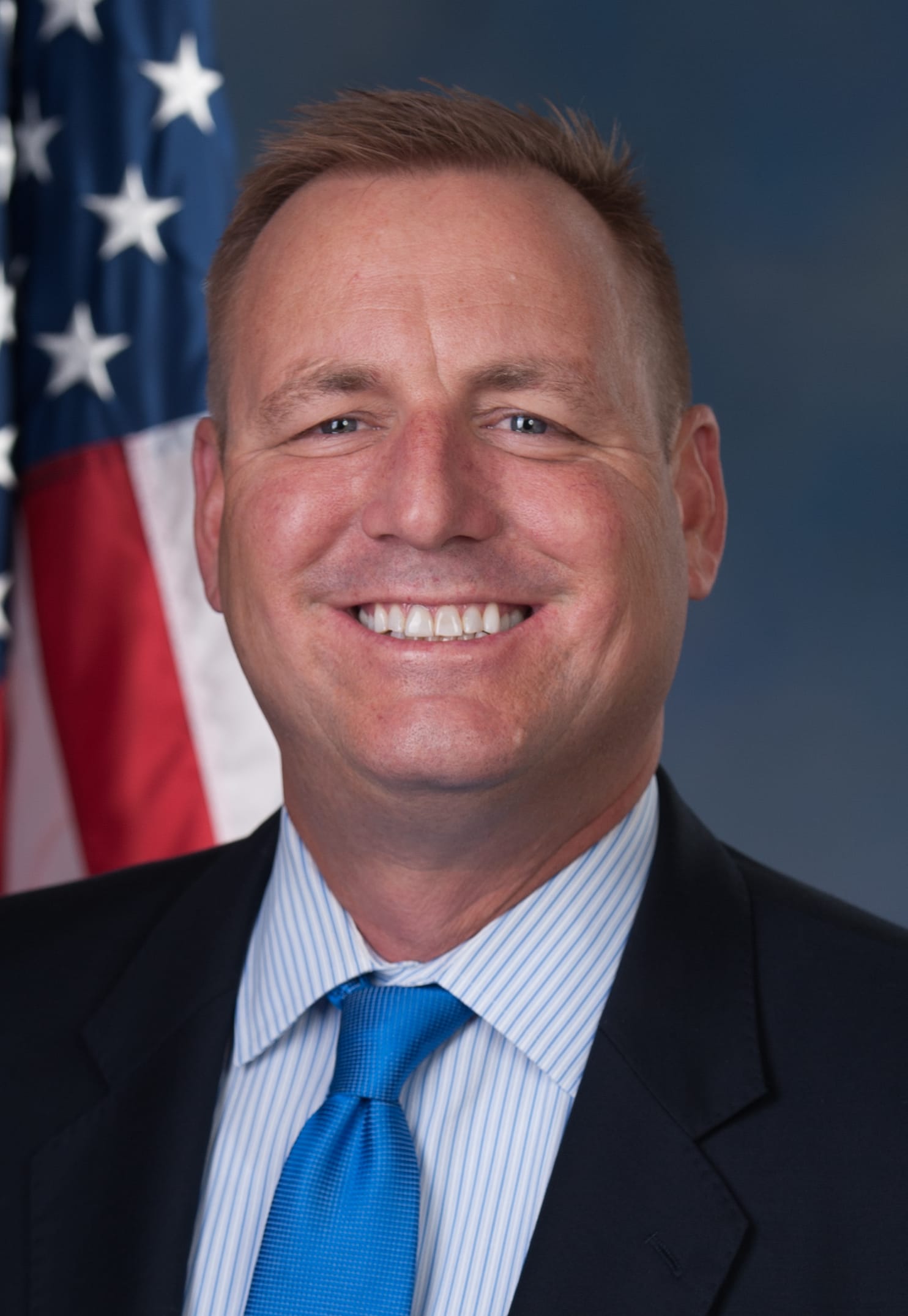
In 2014 Denham received 70,586 votes to his opponent's 55,123.
In 2018 Denham received 99,595 votes to his opponents 106,200
Democrats increased their vote total by 48,319!
In California's 49th District, an open, formerly-red seat vacated by retiring Republican U.S. Rep. Darrell Issa, Republican candidate Diane Harkey's 120,258 votes were no match for Democratic candidate Mike Levin's haul of 153,766 votes.
This is astounding, because in 2014 in this district, Issa received 94,365 votes, and his Democratic challenger, Dave Peiser, received only 62,313. So in CA-49, Democrats more than doubled their vote over the last U.S. midterm elections with a 146% increase in turnout.
In the 48th District, U.S. Rep. Dana Rohrabacher (R) lost reelection with 133,637 votes to his Democratic challenger, Harley Rouda's 153,408. In 2014, Rohrabacher's challenger only received 60,164 votes. It's another more–than–double increase for Democratic turn out to flip a Republican seat to the Democratic caucus.
There just wasn't this kind of energy with the electorate overall during the lame duck period of Barack Obama's administration.
And certainly not the revolutionary fervor that usually sweeps the loyal opposition to victory in the U.S. House the first midterm after a new president is elected in order to check the White House and prevent it from becoming too powerful.
This sort of thing is a cyclical phenomenon in U.S. electoral politics and represents the normal ebb and flow of the country's characteristic bipartisan political dynamic and the constitutional structure of its government.
But the sheer volume of votes this year is something different, and an indication of how effectively politicians and the press have made capital of our mobile Internet platforms and the social media layer that lives on top of them, using this unprecedented level of connectivity to interest more Americans in politics and mobilize them to vote. There was quite a blue wave in California.
It's a sword, however, that cuts both ways, as we saw with the Donald Trump phenomenon, and the very serious if not mortal wound his rise to power inflicted on both major parties' establishment power structures, which each imploded under the shock waves of the Trump movement in 2016.
High turnout has historically favored Democrats in U.S. elections, all other things being equal, so if we are moving into an era of permanently high turnout driven by a 24/7 social media obsession with politics, Republicans will have to adapt to survive, and rebranding just won't cut it anymore.
With information and fact checks at everyone's fingertips, there is a massive amount of power sitting around unused, available to politicians and journalists who are willing to fill the enormous sincerity, integrity, and consistency gap in politics.
And that might mean giving up partisan politics altogether.