
Credit: policymic.com
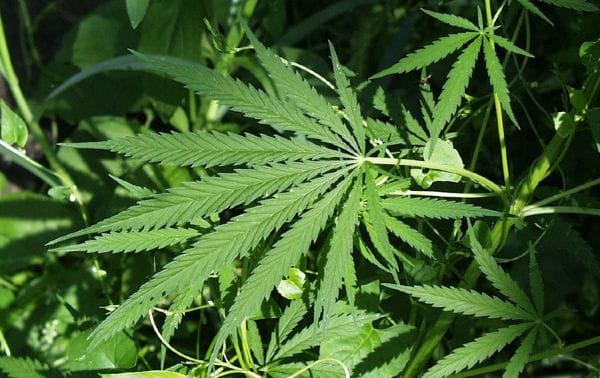
With the recent legalization of marijuana in Colorado and Washington, some people may believe that the US is moving closer to legalizing the drug on a national level. However, the most recent polls on the subject suggest that Americans are split on the prospect.
The most recent nationwide poll on marijuana legalization was taken by CBS News from November 16-19. According to the results, 47 percent of Americans are against legalizing marijuana for recreational use while 47 percent are in favor of it. Two-thirds of Republicans are opposed to legalizing marijuana while fifty-five percent of independents and slightly more than half of Democrats favor it.
An ABC News/Washington Post poll conducted from November 7 -11 indicates that the number of Americans who oppose making the recreational use of the drug legal remains slightly higher than those in favor, 50-48. However, a Gallup poll taken a month before revealed opposite results. As the results of both polls fall within the margin of error, Americans seem to be evenly divided on the issue.
Opponents of full legalization believe that using marijuana is inherently dangerous. Based on scientific studies, marijuana use has been linked to negative effects on the human brain, particularly in the parts dedicated to memory, reaction time, learning and attention. Some studies suggest the recreational use of marijuana has been associated with schizophrenia, depression, anxiety and even psychosis. Opponents also argue that marijuana use raises the peril of a heart attack and causes a higher tendency of bronchitis.
Proponents of marijuana legalization argue that using the drug has a variety of medical benefits. Marijuana has been shown to help alleviate nausea for cancer patients undergoing chemotherapy and symptoms from other serious medical conditions, including multiple sclerosis, AIDS, and glaucoma. Advocates of legalization for recreational use argue that that there is no conclusive evidence that links marijuana use with negative long term effects on the human brain.
With recreational marijuana legal in two states, the focus turns to potential tax revenue. Based on a report out of the Colorado Center on Law & Policy, legal marijuana could produce as much as $100 million in state revenue per year.
In Colorado and Washington, the reaction to legalization has been mixed. Marijuana advocates have expressed enthusiasm over the voters' decision, as it signals the culmination of several decades of activism to make the drug legal. However, lawmakers in the state must deal with the complicated issue of how to deal with opposition in the nation's capital as the ballot initiative conflicts with federal law.
Colorado Governor John Hickenlooper cautions the residents of his state that there are still many legal hurdles to clear. The passage of the Colorado and Washington marijuana initiatives also gives rise to a battle with the Drug Enforcement Agency. The Agency has said that it will ignore the passage of the ballot initiatives and continue to enforce the Controlled Substances Act. Under the act, marijuana is a Schedule 1 controlled substance.