
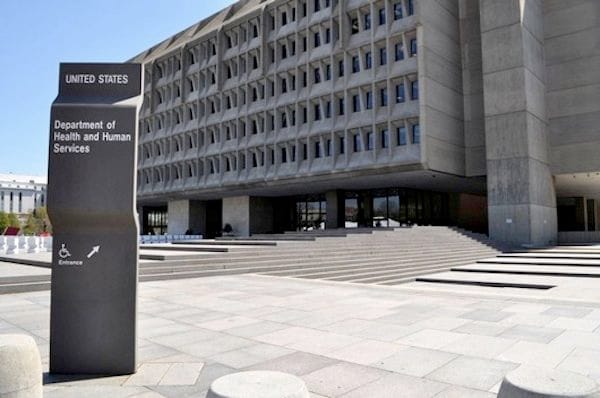
The Obama Administration has taken the next step in health care reform with several proposed revisions to the Affordable Care Act. The proposed rules cover various changes to existing law that will affect employees, employers, and states alike.
The major changes in the proposed rules include making it illegal for insurance companies to discriminate against people with pre-existing conditions, making sure that health plans offer a core package of items and services known as essential health benefits, and providing employers with new ways to promote employee wellness.
Pre-Existing Conditions
The Centers for Medicare and Medicaid Services published a proposed rule that would, starting in 2014, prohibit health insurance companies from discriminating against individuals with pre-existing conditions. There are currently 129 million—or 1 in 2—non-elderly Americans with some type of pre-existing health condition. These pre-existing conditions range from life-threatening illnesses like cancer to chronic conditions like diabetes or asthma.
Under the new system, it would be illegal for insurance companies to deny coverage or increase premiums for current or past health problems, gender, health insurance claims history, duration of coverage, occupation, small employer size, or industry. Insurance companies could only vary premiums based on age, tobacco use, family size, and geography.
Kathleen Sebelius, Secretary of Health and Human Services, commented on the effect of the proposed rule, stating that, “Thanks to the health care law, no one will be discriminated against because of a pre-existing condition.”
Essential Health Benefits
Another rule, proposed by the Department of Health and Human Services, outlines policies and standards for coverage of essential health benefits (EHB).
EHB are core benefits that include, ambulatory patient services, emergency services, hospitalization, maternity and newborn care, mental health and substance use disorder services, prescription drugs, rehabilitative and habilitative services, laboratory services, preventive and wellness services, chronic disease management, and pediatric services.
The rule sets forth that EHB, offered by the state, must be equal in scope to benefits offered by a “typical employer plan” and defines EHB based on a state-specific benchmark plan. The approach is intended to balance “consumers’ desires for an affordable and comprehensive benefit package, our legal requirement to reflect the current marketplace, and issuer flexibility to offer innovative benefit designs and a choice of health plans.”
Employment-based Wellness Programs
The Health and Human Services, Labor, and Treasury departments also proposed a rule that covers the implementation and expansion of employment-based wellness programs that promote health and help control health care spending.
For example, under the rule, the programs would reimburse the cost of membership at a fitness center and reward employees for attending monthly no-cost health education seminars. There would also be health-contingent wellness programs that would, for example, provide a reward to those who do not use, or decrease their use of, tobacco.
Secretary of Labor Hilda L. Solis summarizes the effect of the rule, stating that, “The Affordable Care Act recognizes that well-run, equitable workplace wellness programs allow workers to access services that can help them and their families lead healthier lives.” She also commented on the effect on employers, stating that they, too, can benefit from the “reduced costs associated with a healthier workforce.”