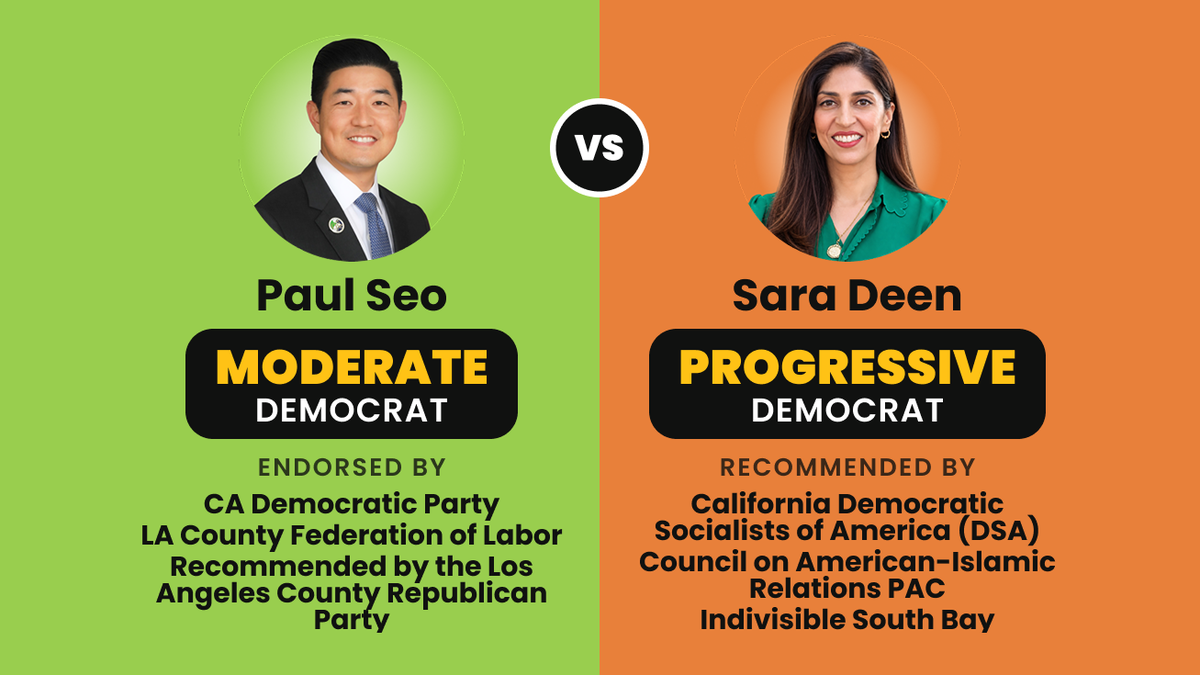
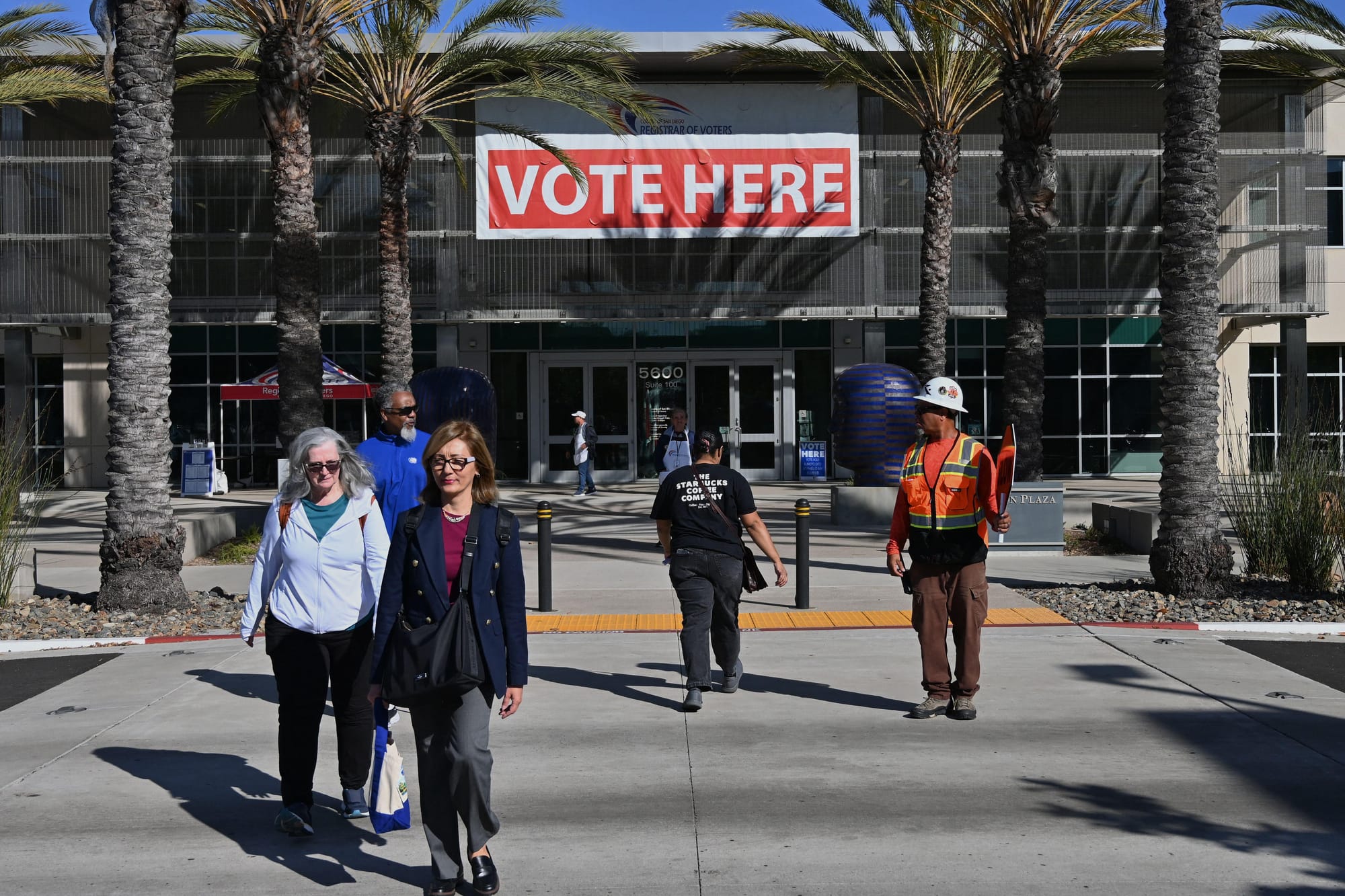
Assembly District 66 sends two Democrats to November with no Republican in the race, leaving 97,000 independents to choose between a DSA-backed progressive and a moderate with union and law enforcement support.
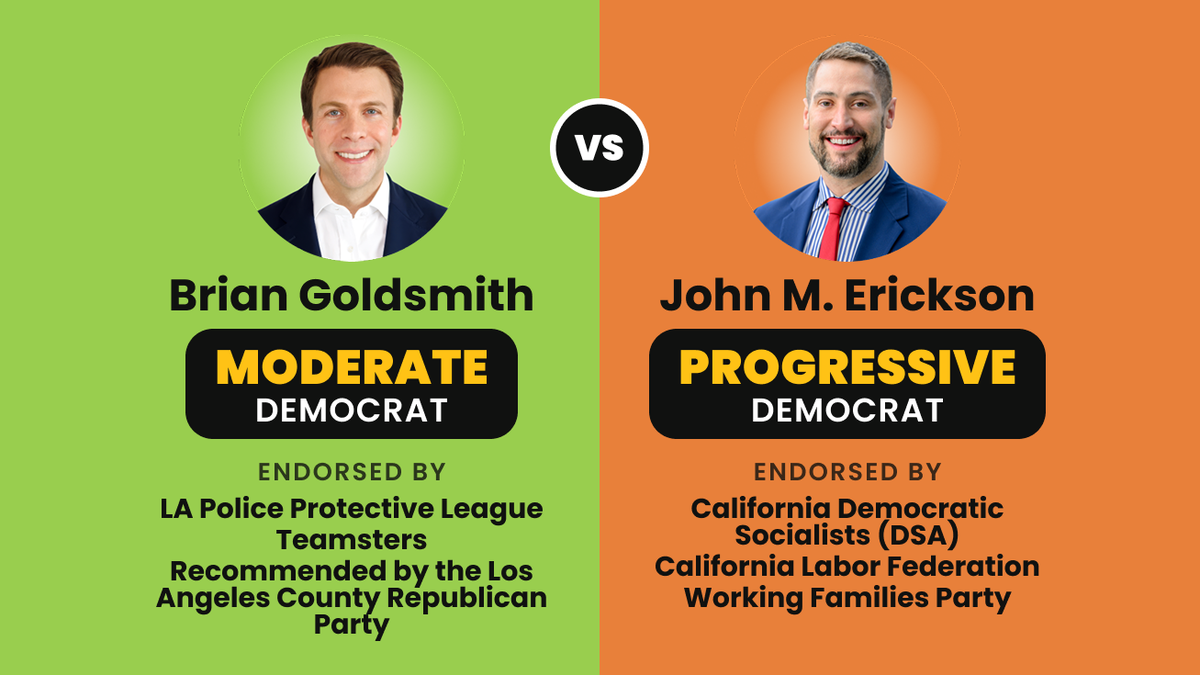
A DSA-recommended candidate and a moderate Democrat are the only two names on the ballot in California's Senate District 24, leaving independent and Republican voters to break the tie.
Nearly 90% of House seats are already decided before Election Day, with most contested only in partisan primaries that exclude independent voters and limit meaningful participation to just 9.4% of the voting-age population.
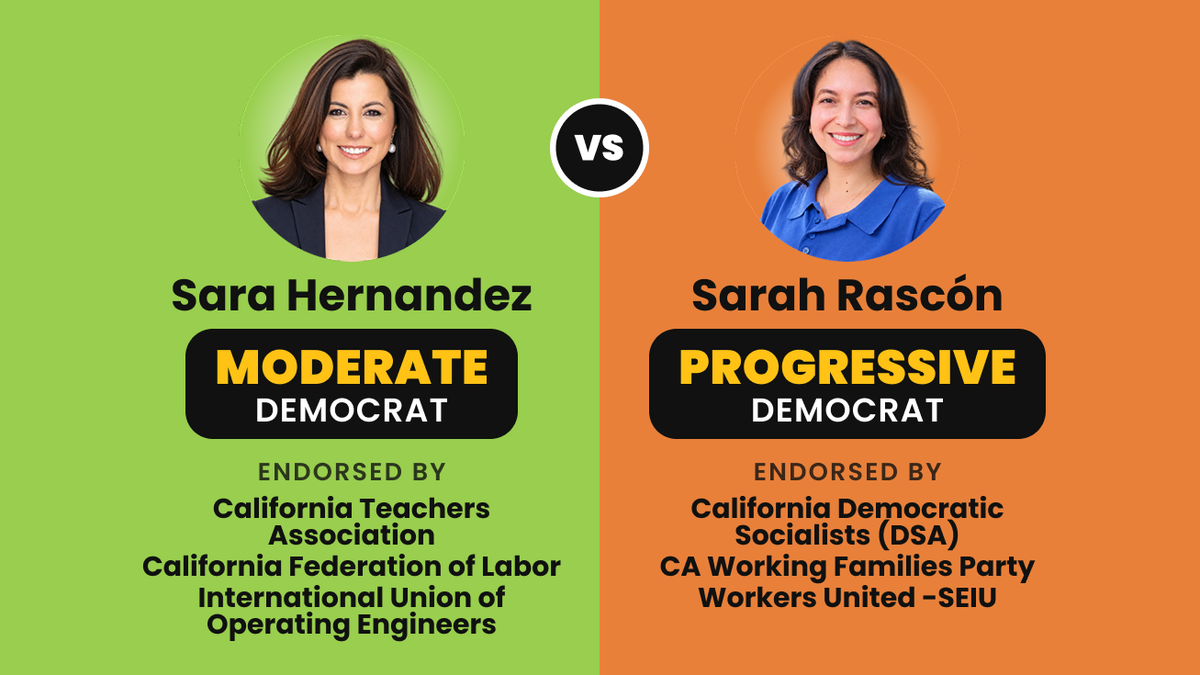
In California's East LA State Senate District 26, 144,000 independent voters will likely decide a general election between a socialist-backed candidate and a moderate Democrat, with no Republican on the ballot.
The Golden State's nonpartisan primary system allows all voters to participate in this November's legislative races, offering a unique test of how DSA-backed candidates compete when elections aren't decided in closed Democratic primaries.
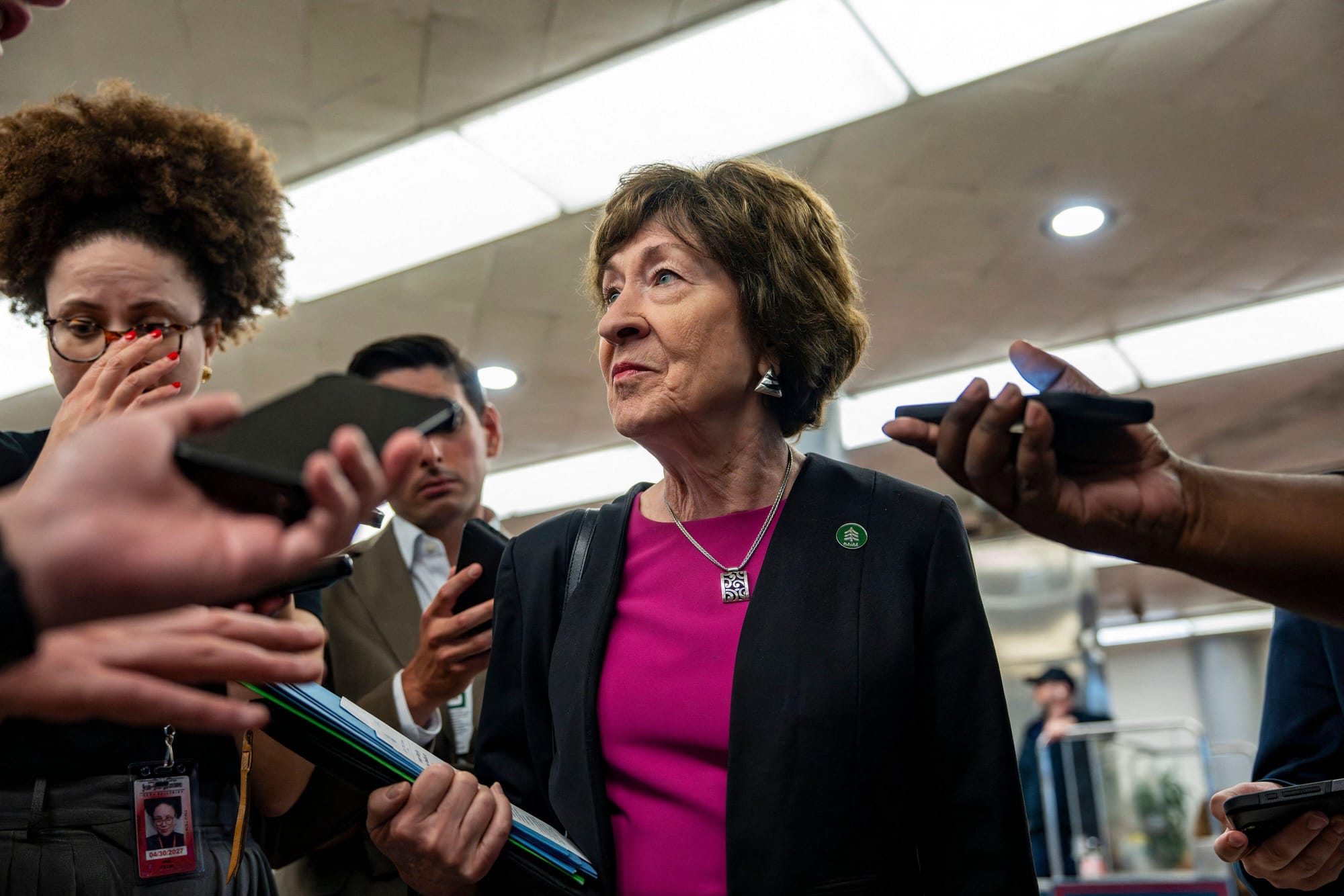
Susan Collins and Troy Jackson are flooding Maine’s airwaves with competing messages aimed at the voters who could decide one of the country’s closest Senate races.
Plus, Rob Sand promises to give independents an equal vote in Iowa. More and more independent voters are changing the conversation and the movement for fairer elections has garnered a national stage.
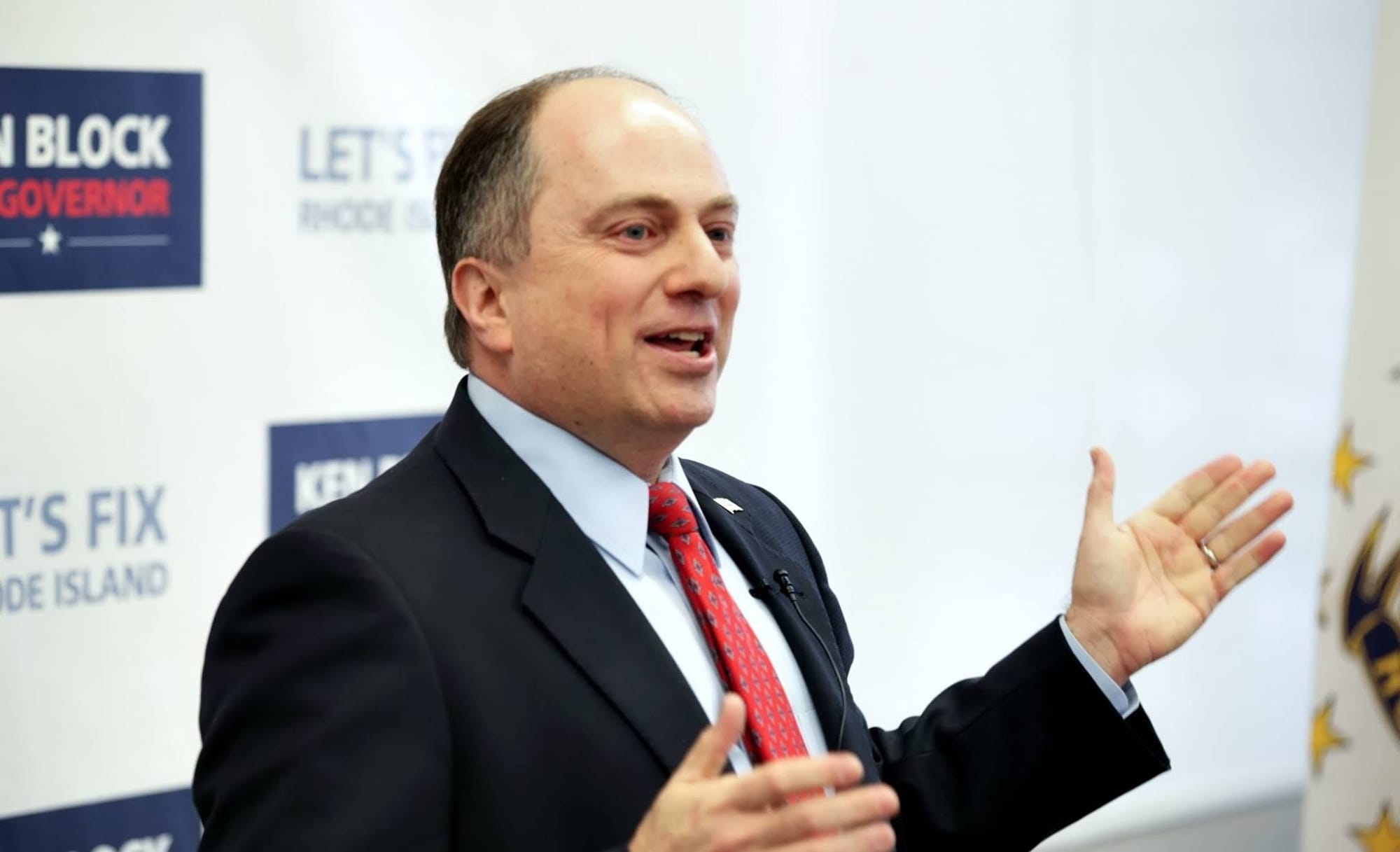
While Rhode Island’s major parties emerge from bruising primaries, Ken Block enters the general election arguing that a state dominated by unaffiliated voters is ready for something beyond partisan politics.
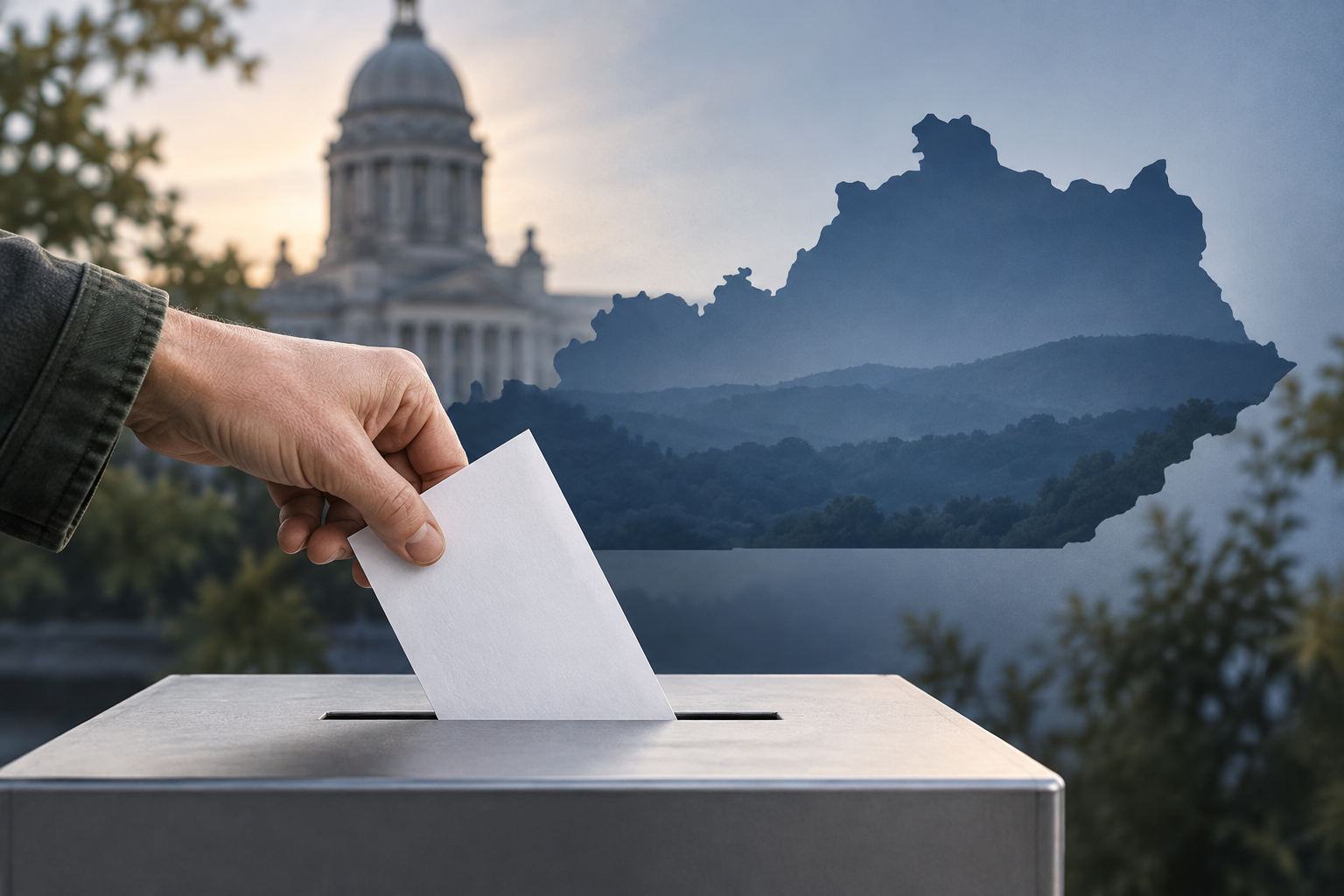
Independent voters are Kentucky’s fastest-growing political bloc, but nearly 384,000 remain shut out of the partisan primaries that help decide who governs them.
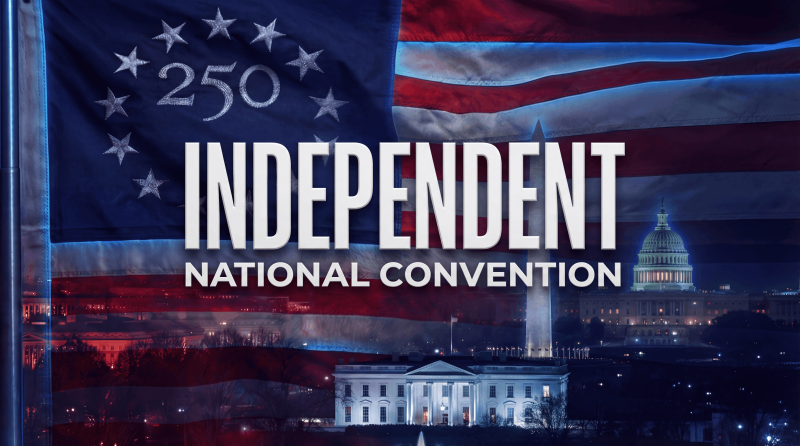
This September in Washington, leaders from across independent politics and democracy reform will gather alongside independent candidates from across the country. The significance is what becomes possible when an increasingly large but fragmented political ecosystem begins to coordinate.
The NPVIC compact wouldn’t eliminate America’s two-party system, but it could change the way voters think about third-party candidates — replacing state-by-state spoiler fears with a national contest for the most votes.