Voter ID. A billionaire tax and two measures designed to counter it. A nonpartisan Secretary of State. And a constitutional right for every eligible voter to participate in publicly funded elections. Here is what California’s independent-minded voters need to know.
Election reform can open the door to independent candidates. But without donors, data, staff, and campaign infrastructure, most are still starting from zero.
A federal judge blocked mandatory USPS rules for mail ballots through the November election, but the Trump administration is asking the Supreme Court to overturn that decision. Here's what voters need to know about the fast-changing legal battle.
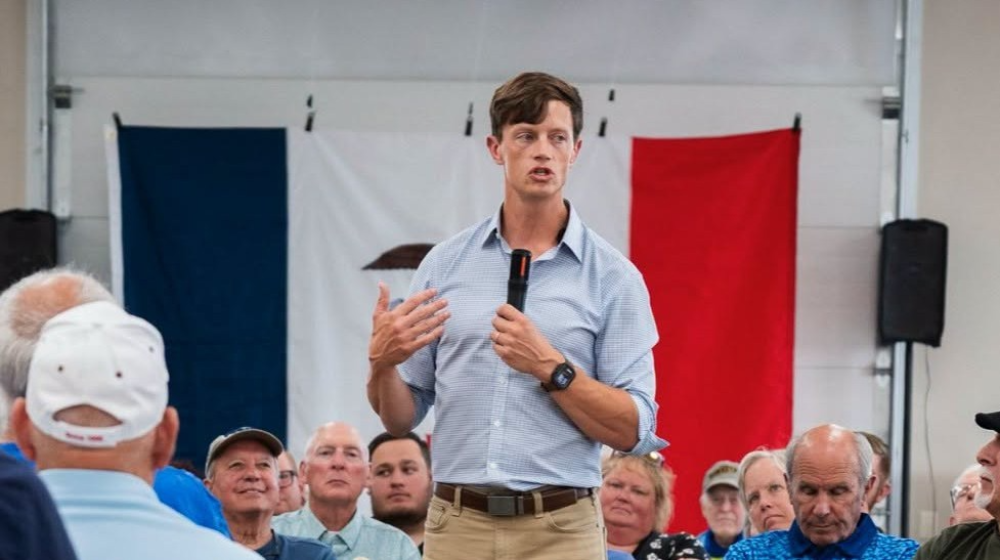
Iowa State Auditor Rob Sand, an independent-turned-Democrat, is running for governor on a platform to replace closed party primaries with an open "people's primary" where all voters can participate regardless of party affiliation.
San Francisco's Democratic Party refused to endorse a one-time wealth tax on billionaires, creating a rare public split with the state party and exposing tensions between the party's moderate and DSA-aligned wings.
Missouri's highest court unanimously rejected efforts by state officials to block two ballot measures, ruling voters retain the right to reject a new congressional map and strengthen protections for the citizen initiative process.
As more Americans identify outside the two major parties, independent voters are challenging primary rules that can leave them out of the elections that shape their communities.
CBS News published a headline about Alaska's primary that risks reinforcing false narratives about ranked choice voting being promoted by Trump, but the candidates in question are allowed to run regardless of the voting system used.